Workers’ Rights
He Had the Evidence. Could He Get It Heard?
Three state and federal civil rights authorities found in Joe’s favor.
Joe Blazek obtained documents ADT controlled and used them to challenge the company’s account of his firing. The Illinois Human Rights Commission overturned the dismissal of his discrimination complaint. The Illinois Department of Human Rights entered a finding of substantial evidence on all four counts. The Equal Employment Opportunity Commission agreed. ADT did not challenge the findings or participate in the agencies’ efforts to resolve the complaint.
Joe still had no remedy. He had already run into the same resistance when the Illinois Department of Labor directed ADT to give him access to his personnel records. ADT did not comply and still withheld them.
After receiving a right-to-sue notice, Joe filed his lawsuit in DuPage County Circuit Court. ADT moved the case to the United States District Court for the Northern District of Illinois.
The Federal Court Gauntlet
Joe was an alarm technician representing himself. Federal court had specialized rules for presenting evidence, and the deadlines were already ticking. What should he file, and when? Which legal arguments did he have to answer? It was like being handed a rulebook written in another language. Why did ADT refuse to cover the surgery Joe needed? Why didn’t it act on its own medical examiner’s opinion that Joe could return to work after treatment? How could it use his physical limitations to justify firing him after refusing to pay for the care that could have helped him recover? These questions were at the heart of Joe’s discrimination complaint. ADT left them unanswered.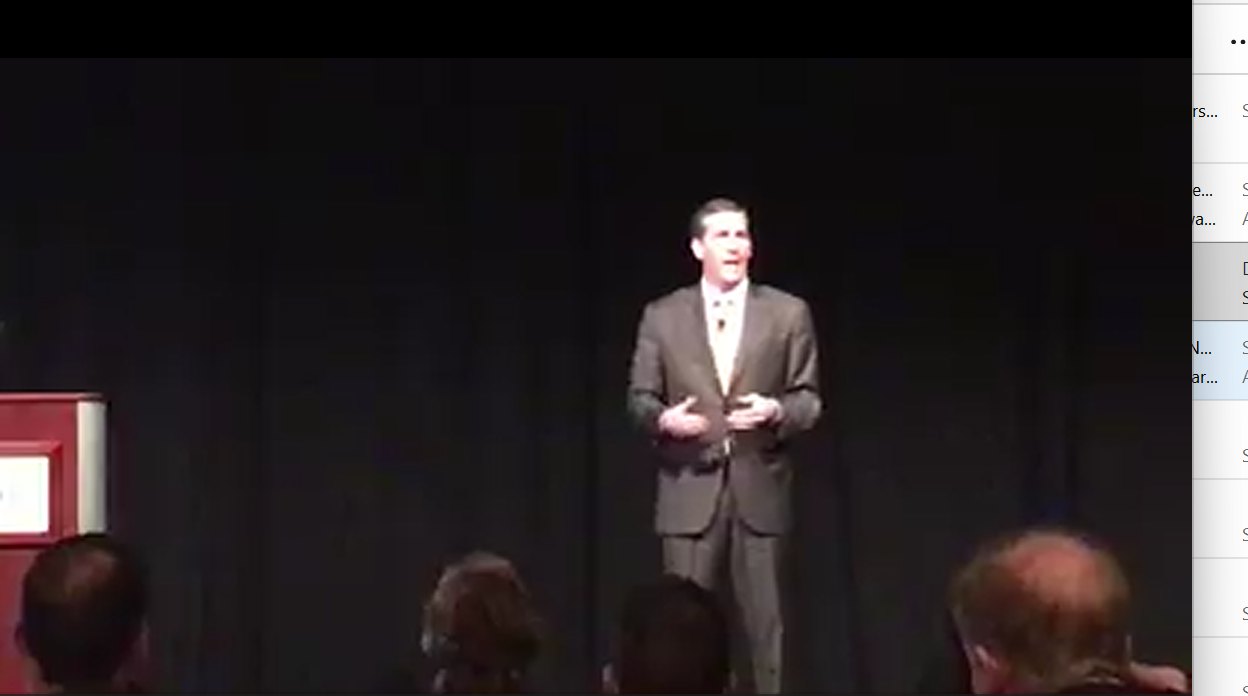
Among the evidence Joe had was a video of ADT’s incoming CEO, Tim Whall, speaking to industry leaders. Whall referred to veteran technicians as “guys who had grown old sitting in their trucks” and contrasted them with younger workers. He also said he believed his daughters, who were not alarm technicians, could outperform technicians he had employed for 20 years.
By his own account, Jim Nixdorf, ADT’s director of labor relations in Florida, made the decision to fire Joe. He had never met Joe and said he did not know his age. How did Joe’s case reach Nixdorf’s desk at ADT’s headquarters in Florida? Is it standard procedure for the director of labor relations to personally decide whether to fire every injured alarm technician in ADT’s vast domain? Who brought Joe’s case to him, and what was he told?
ADT asked the judge to end the case before trial. Joe was fighting to keep his case alive. He filed a declaration, exhibits, and responses to ADT’s statement of facts. To someone unfamiliar with federal court procedure, it would be easy to think he had done what the court asked. But a missing page or paragraph citation could determine which version of events the judge used to decide the case.
Local Rule 56.1(b)(1) required a separate brief explaining why the law and the evidence gave the judge grounds to deny ADT’s request. Without that brief, ADT’s legal arguments went unanswered.
The judge said he could not make those arguments for Joe. He reviewed what Joe had filed and ruled in ADT’s favor, ending the case before trial. Joe asked the court to reconsider its ruling on age discrimination. The court denied his request.

“Beyond All Possible Bounds of Decency”
One of the most painful parts of the decision to read was the court’s agreement with ADT that Joe’s physical restrictions kept him from doing a job that required “walking, squatting, kneeling, climbing.” Joe couldn’t get the court to reckon with ADT’s part in bringing him to that point.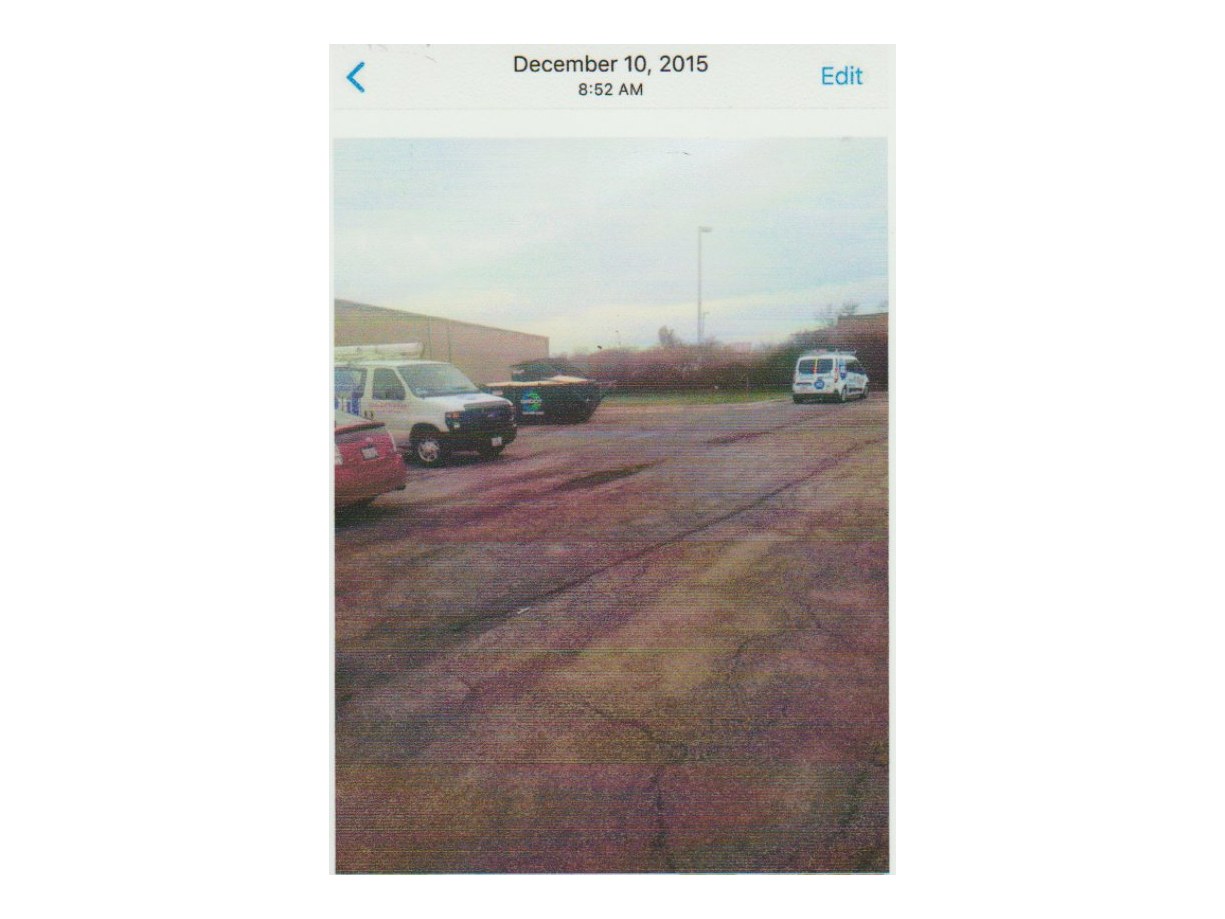
Before he fell in ADT’s parking lot on December 1, 2015, Joe was healthy and active. He played softball and umpired Little League. He could walk, squat, kneel, and climb.

Nearly five months after the fall, he was still living with the pain of an untreated torn meniscus.
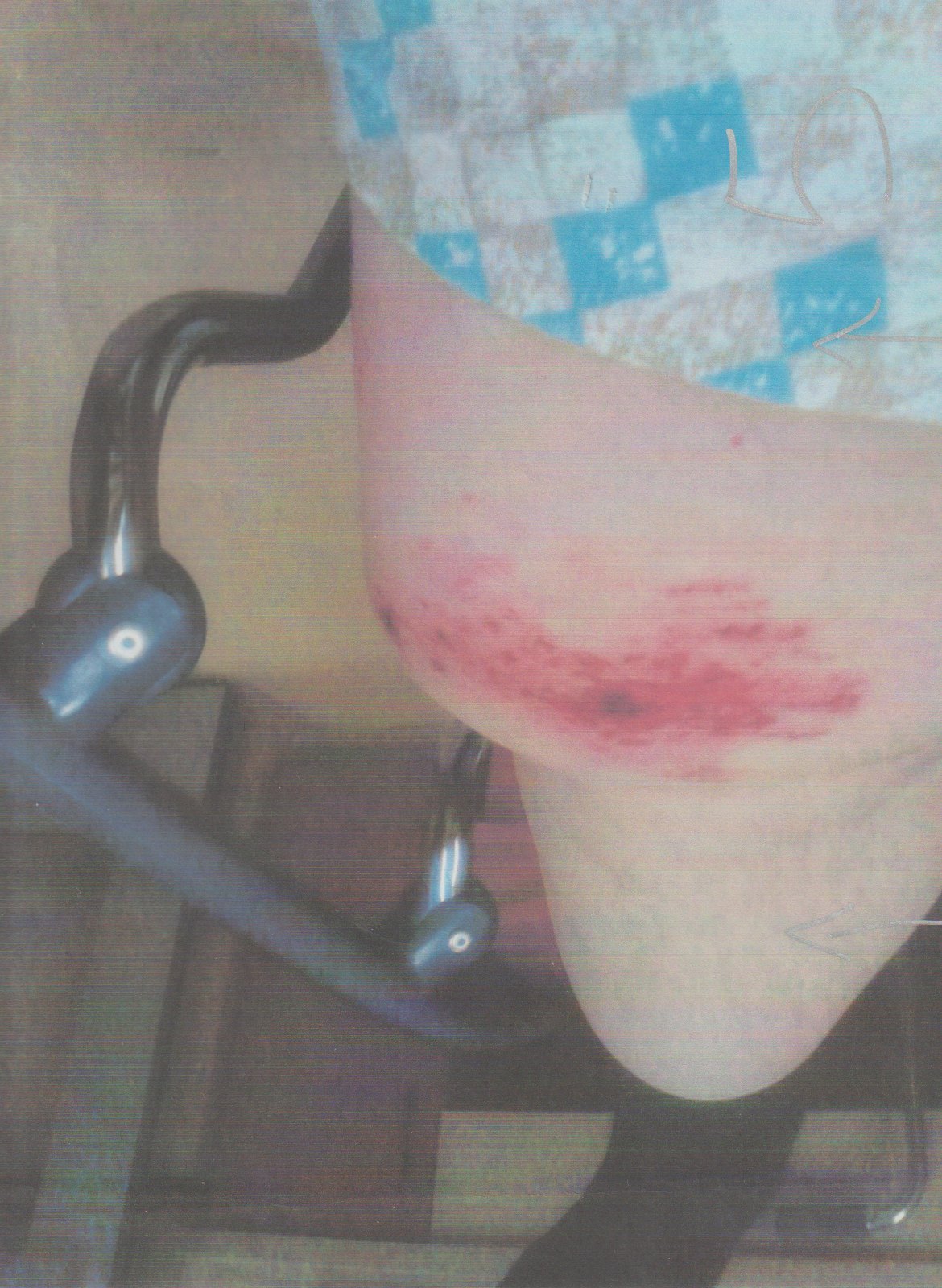
ADT had refused to pay for the surgery that could have eased his pain and given him a chance to return to work. It then used the very limitations it had left him to live with to justify firing him.